


Snoring Isn’t Always Harmless: What D4 Dentist Looks For

Often, it’s not the patient who notices first, it’s the person sleeping beside them.
What begins as 'just snoring' can sometimes become:
restless sleep
waking unrefreshed
daytime fatigue
or concerns about pauses in breathing during the night
And unfortunately while snoring is common, it isn’t always harmless. In some cases, it may be associated with a condition known as obstructive sleep apnoea (OSA) which is a sleep-related breathing disorder that many people remain unaware they have.
What Is Obstructive Sleep Apnoea?
Obstructive sleep apnoea occurs when the airway repeatedly becomes partially or completely blocked during sleep.
These interruptions can reduce airflow and disturb normal sleep patterns, often without the person fully realising it. Common signs and symptoms may include:
loud habitual snoring
gasping or choking sounds during sleep
excessive daytime tiredness
waking with headaches
poor concentration or memory
Not everyone who snores has sleep apnoea. But persistent snoring - particularly when combined with fatigue or witnessed pauses in breathing - may warrant further assessment.
Why Would your Dentist Ask About Sleep or Snoring?
At D4 Dentist, we routinely examine structures that play a role in the airway, including:
the jaws
tongue position
soft tissues of the mouth and throat
patterns of tooth wear associated with grinding or clenching
As a result, dental professionals may sometimes identify signs that suggest a patient could benefit from further medical investigation.
Importantly:
Screening is not the same as diagnosis.
When obstructive sleep apnoea is suspected by us, we refer our patients for appropriate medical assessment and sleep studies in St. Vincent's University Hospital in Dublin.
Why It Matters
Obstructive sleep apnoea is more than a snoring problem. Research has linked untreated OSA with increased risks of:
high blood pressure
cardiovascular disease
stroke
excessive daytime sleepiness
impaired concentration and alertness
Many patients are surprised by how significant the wider health implications can be.
How Can Dentistry Help?
For some patients, particularly those with mild-to-moderate obstructive sleep apnoea, or patients who struggle with CPAP therapy - a mandibular advancement device (MAD) may be recommended following medical diagnosis.
These custom-made appliances work by gently positioning the lower jaw slightly forward during sleep, which may help maintain a more open airway.
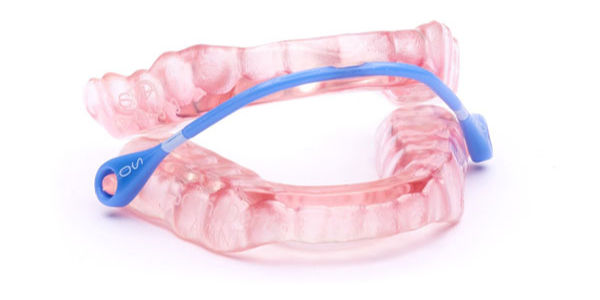
They are also commonly used for patients whose primary complaint is snoring.
Comfort and fit are important considerations:
some appliances can feel bulky or difficult to tolerate
custom-fitted devices are generally better accepted by patients
At our clinic, we use the SomnoMed Avant appliance system, which is designed with comfort and wearability in mind.
What is Involved in Getting one made?
A MAD appliance is individually designed and manufactured for the individual patient.
This usually involves:
digital scans or impressions of the teeth
bite registration
custom laboratory construction
fitting and adjustment appointments
Unlike over-the-counter snoring devices, these are custom fitted, adjustable and designed for comfort and long-term wear.
The Important Part: Collaborative Care
Sleep apnoea should never be viewed as just a dental issue. The most appropriate management often involves collaboration between:
dentists
sleep physicians
GPs
ENT specialists
Dentistry plays an important role in:
screening
recognising potential warning signs
providing oral appliance therapy where appropriate
But diagnosis and overall medical management remain essential.
Final Thought
Snoring is often dismissed as a nuisance or even a joke. But in some patients, it may be a sign of a much more significant sleep-related breathing disorder.
Recognising the signs early and knowing when to investigate further can make an important difference not only to sleep quality, but to overall health.


